Southern Restaurant Pittsburgh, PA: Where Flavor Meets Hospitality
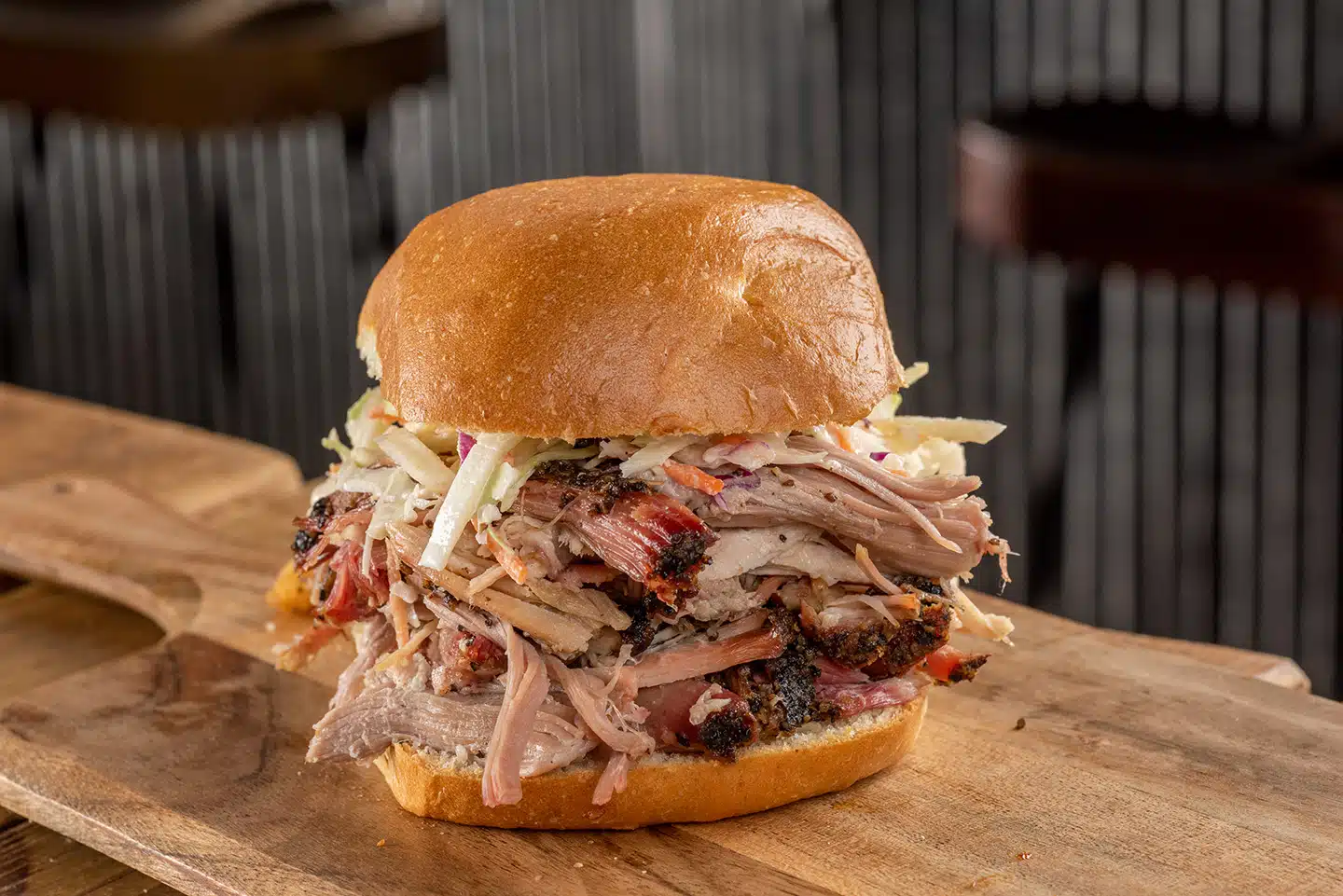
Pittsburgh has always been a city that appreciates hearty food. It is a place built on long shifts, cold weather, neighborhood pride, and a deep respect for restaurants that feed people well. That is part of why Southern cooking makes so much sense here. A good Southern restaurant in Pittsburgh, PA does more than serve comfort food. It brings warmth to the table, balances richness with restraint, and creates the kind of welcome that turns a first visit into a habit.
The appeal starts with flavor, but it does not end there. Southern food, when handled properly, carries memory and technique in equal measure. Fried chicken is never just fried chicken. Biscuits are not merely a side. Shrimp and grits can either feel luxurious and precise or heavy and forgettable, depending on the kitchen’s hand. Hospitality matters just as much. Diners walking into a Southern spot expect a certain generosity, not only in portion size, but in tone, pacing, and the feeling that someone genuinely wants them there.
That combination, rich food and sincere service, is what separates a memorable meal from a novelty visit.
Why Southern food resonates in Pittsburgh
Regional cuisines travel in interesting ways. Some lose their identity once they leave home. Others adapt without losing their backbone. Southern cooking has proven remarkably durable because it is rooted in fundamentals that translate well across cities: careful seasoning, patience, texture, and an instinctive understanding of what people actually want to eat.
In Pittsburgh, those qualities land especially well. The city has a strong tradition of straightforward, satisfying food, but it also has diners who have become far more adventurous over the past two decades. People want depth. They want quality ingredients. They want a plate that feels honest rather than overworked. Southern cuisine answers all three.
There is also a practical reason. Pittsburgh weather rewards restaurants that know how to cook for comfort. A bowl of gumbo in late fall, braised greens in winter, buttery cornbread on a rainy evening, these are not abstract pleasures. They fit the rhythm of local life. Even in summer, a crisp piece of fried catfish or smoked wings with a vinegary slaw feels right with a cold drink and an open patio.
Still, southern food in western Pennsylvania cannot succeed on nostalgia alone. Diners here are sharp. They know when a concept leans too hard on clichés. Mason jars, reclaimed wood, and a menu full of words like “down-home” can only carry a restaurant so far. If the biscuit is dry, the mac and cheese breaks, or the hot chicken tastes more like cayenne than craft, people notice.
What defines a strong Southern restaurant
Anyone searching for a southern restaurant in Pittsburgh, PA should look beyond surface cues. Real quality shows up in details that are easy to miss if you are only judging by menu descriptions.
First, seasoning has to be thoughtful. Southern food is often mislabeled as heavy, but the best versions are balanced. Salt, acid, heat, smoke, sweetness, and fat all play distinct roles. A plate of collard greens should taste layered, not muddy. Blackened fish should carry spice without losing the fish itself. Gravy should add depth, not sit on the plate like paste.
Second, texture matters more than people think. Fried chicken needs a crust that stays crisp long enough to survive the trip from pass to table. Biscuits should be tender, not crumbly in the dry sense. Grits should feel creamy and fluid, not stiff or gluey. Banana pudding, peach cobbler, bread pudding, each of these desserts depends on contrast. Softness alone is not enough.
Third, there is the issue of restraint. Southern cooking is generous, but generosity is not the same as excess. A well-run restaurant knows when to stop. Too much cheese, too much sugar, too much smoke, too much sauce, any of these can flatten a dish. Great Southern kitchens know that bold food still needs shape.
That is where experienced cooks stand out. They understand that a cast iron sear, a proper brine, or a stock built over hours matters more than decorative plating. Southern cuisine rewards patience, and diners can taste that patience even if they cannot name it.
The dishes that reveal whether a kitchen knows its craft
Some menu items tell you almost everything you need to know about a restaurant. Southern cuisine offers several such tests.
Fried chicken is the obvious one, but it remains a fair benchmark. A good version needs juicy meat, a well-seasoned dredge, and an exterior that crackles rather than flakes off in oily shards. Kitchens often get two of the three. All three together are less common than people assume.
Biscuits are another truth teller. They look simple. They are not. The best ones have visible layers, a gentle rise, and enough butter flavor to stand alone without turning greasy. In many restaurants, biscuits arrive as an afterthought. In a serious Southern restaurant, they are treated with the same respect as bread in a top European-inspired dining room.
Shrimp and grits is perhaps the most misunderstood dish in the category. Done correctly, it is subtle, savory, and deeply satisfying. Done poorly, it becomes a bowl of bland starch with overcooked seafood. The grits themselves matter as much as the garnish. If the base is weak, no amount of sauce or andouille can rescue it.
Then there are the vegetables and sides, which often say more about the kitchen than the entrees do. Mac and cheese should have structure and seasoning, not just molten dairy. Green beans should taste cooked, not punished. Sweet potatoes need contrast or they veer into monotony. Slaw should provide lift. Beans and rice should feel complete rather than obligatory.
Dessert closes the argument. A restaurant that gets pie crust right, bakes cobbler with fruit still tasting like fruit, or serves pudding with real texture usually understands the rest of the meal too.
Hospitality is not an accessory
The phrase “Southern hospitality” gets used so casually that it can lose meaning. In a restaurant setting, it is not a costume and it is not forced familiarity. It is attentiveness without intrusion. It is confidence without stiffness. It is the sense that the room has been designed for people to settle in.
That matters in Pittsburgh. The city has plenty of regulars-driven dining culture. People return to places where they are greeted sincerely, where servers know the menu, and where hospitality does not depend on whether the dining room is busy. A Southern restaurant that thrives here usually understands that service is part of the cuisine, not a separate department.
Experienced operators tend to get this right through small decisions. Water glasses stay filled. A server notices when a guest is deciding between catfish and chicken and offers a clear recommendation instead of vague enthusiasm. Food arrives paced for the table rather than dumped all at once. Someone checks in after a few bites, not every two minutes and not twenty minutes too late.
Warmth can be especially effective when paired with professionalism. Diners do not necessarily want a theatrical experience. More often, they want to feel looked after. That can mean remembering a regular’s preferred hot sauce, warning a first-time guest that a dish has real spice, or steering a table away from over-ordering when portions run large.
Those are not glamorous skills, but they build trust.
Pittsburgh’s dining scene has room for Southern food with perspective
One reason Southern restaurants continue to attract attention in Pittsburgh is that the city’s dining scene is mature enough now to support nuance. Diners are no longer satisfied with generic regional branding. They want context, intention, and quality.
That opens the door for different interpretations of Southern cuisine. One restaurant may lean into Lowcountry seafood influences, with shrimp, grits, crab rice, and braised greens. Another may focus on Nashville-style hot chicken, biscuits, and bourbon-driven cocktails. A third might draw from Creole or Cajun traditions, offering gumbo, étouffée, and blackened meats. Each can work, provided the kitchen is clear about what it is doing.
What tends not to work is blur. A menu that mixes too many Southern traditions without understanding them often feels confused. There is a difference between range and randomness. Diners can sense when a restaurant is cooking from knowledge versus assembling a Pinterest board of regional references.
Pittsburgh is also a city where neighborhood identity matters. A Southern restaurant in Lawrenceville may lean trend-conscious and beverage-forward. One in the South Hills may focus more on family-style comfort and consistency. A downtown lunch crowd may want speed and portability, while an evening crowd in East Liberty or the North Side may linger over cocktails and dessert. Smart restaurants adjust the experience without diluting the food.
The challenge of authenticity, and why the word can mislead
“Authentic” is one of the most overused words in restaurant writing. It often flattens more than it clarifies. Southern food is not one thing. It varies by state, by race, by family tradition, by class, by religion, by migration patterns, and by ingredient access. A dish in coastal South Carolina does not tell the same story as one from Mississippi, Louisiana, or eastern Tennessee.
So when diners evaluate a southern restaurant in Pittsburgh, PA, authenticity is less useful than integrity. Is the food made with understanding? Does it respect the tradition it references? Has it been adapted intelligently to the market, climate, and ingredient realities of western Pennsylvania?
There is no shame in adaptation. In fact, some adaptation is necessary. Produce changes. Supplier networks differ. Local audiences have distinct habits. The real question is whether changes improve the dish or simply make it easier to sell.
Take spice levels. A restaurant may temper heat slightly for a broad audience, and that can be a reasonable business decision. What matters is whether the dish still has balance and character. On the other hand, replacing long-cooked greens with underseasoned sautéed kale because it feels more marketable would miss the point entirely.
Good Visit website restaurants make those judgment calls carefully. They know which elements are flexible and which are foundational.
What diners should pay attention to on a first visit
If you are choosing a Southern restaurant in Pittsburgh, PA for the first time, it helps to look for signs that go beyond polished social media photos. Menus often reveal a lot. Are the side dishes treated as worthy components, or are they filler? Is there evidence of labor-intensive cooking, such as braised meats, house-made biscuits, stocks, gravies, or smoked items? Does the dessert list sound assembled or actually considered?
The room itself can offer clues too. A full dining room is not always proof of excellence, but it often signals a restaurant that understands its audience. Listen to how the staff speaks about the food. If they can explain dishes in clear, specific terms, that usually reflects a stronger operation behind the scenes.
One useful habit is to order across categories rather than putting all your expectations on one famous item. A table that includes a signature entree, a vegetable side, a starch, and a dessert tends to reveal the kitchen’s range. Plenty of places can deliver one hit. Fewer can sustain quality from starter to sweets.
Here are a few green flags worth noticing on that first meal:
- The sides taste as deliberate as the main course.
- Fried items arrive crisp and properly seasoned, not merely hot.
- Sauces and gravies enhance the plate instead of burying it.
- Staff can describe house specialties with confidence and specifics.
- Dessert feels made for the restaurant, not added as an obligation.
Those markers are not flashy, but they rarely lie.
Drinks, pacing, and the complete experience
Southern restaurants often shine when they think beyond the plate. Beverage programs can play an important role in balancing the richness of the cuisine. That does not always mean a whiskey-heavy bar, though bourbon certainly has a place. Crisp lagers, dry ciders, sparkling wines, and acid-driven cocktails can do more for a plate of fried chicken or a creamy shrimp dish than an overly sweet old fashioned.
Sweet tea, when available, should be made with intention. So should coffee, which matters more than many operators realize when dessert is part of the experience. A strong slice of pecan pie or bread pudding can fall flat beside weak coffee.
Pacing matters too. Southern meals often include richer dishes that benefit from a little breathing room. If everything lands at once, the table can feel overwhelmed. Better restaurants stagger courses with enough rhythm to keep energy up without rushing diners. That is especially important at brunch, where Southern-inspired menus tend to be popular and where kitchens can easily slip into volume mode.
Brunch itself is worth mentioning because it is where many people first encounter Southern cooking in Pittsburgh. Chicken and waffles, biscuit sandwiches, shrimp and grits, pimento cheese, and smoky breakfast potatoes all have obvious appeal. Yet brunch can also expose operational weaknesses fast. Fried food must hold up. Eggs must be timed correctly. Biscuits must be replenished constantly. If a restaurant performs well at brunch, that often says something good about its systems.
Price, value, and what people are really paying for
Southern food sometimes gets trapped in an unfair pricing debate. Because many dishes come from traditions of thrift, diners can resist paying higher prices, even when the cooking is labor-intensive. But anyone who has worked around restaurants knows how much effort can go into these meals. Brining, breading, frying, smoking, braising, baking, and scratch-made sauces all require time, staffing, and skill.
Value, then, should not be judged by portion size alone. Of course, generous servings are part of the appeal, and most guests expect not to leave hungry. But the better measure is whether the food feels worth the price in quality, care, and satisfaction. A slightly smaller plate made with excellent ingredients and seasoned with precision often delivers more value than an oversized one that tastes flat.
Pittsburgh diners generally understand this when restaurants are transparent in their execution. People will pay for food that feels crafted. They become skeptical only when a concept trades on nostalgia while cutting corners in the kitchen.
That is why consistency matters so much. A restaurant may wow a guest once with a beautifully fried chicken thigh or a flawless biscuit, but lasting reputation comes from doing it repeatedly, on a quiet Tuesday as well as on a packed Saturday night.
Why the best Southern restaurants feel personal
There is a reason certain Southern meals stay with people. The cuisine is deeply tied to care, memory, and ritual. Sunday suppers, church gatherings, roadside fish fries, holiday pies, family recipes scribbled on stained index cards, all of that history hangs around the edges of the plate. A restaurant cannot manufacture that feeling outright, but it can honor it.
The best Southern restaurants in Pittsburgh understand that emotion without becoming sentimental. They respect the food enough to cook it properly. They build spaces where people want to linger. They know that hospitality is not an ornament but a discipline. They treat familiar dishes with seriousness and avoid turning them into caricatures.
For diners, that means a meal can offer more than comfort alone. It can provide texture, precision, and surprise while still feeling grounded. A piece of cornbread can arrive hot enough to steam when broken open. Greens can carry smoke, acid, and tenderness all at once. A server can make a recommendation that actually improves the evening. A dining room can feel polished without losing warmth.
That is the sweet spot, especially for a southern restaurant in Pittsburgh, PA. Not imitation, not gimmick, not excess for its own sake. Just food with backbone, service with grace, and an experience that understands what hospitality is supposed to feel like when it is done well.
For a city that values substance, that kind of restaurant will always have a place.
Walter's BBQ Southern Kitchen
4501 Butler St
Pittsburgh, PA 15201, United States
+1 412-683-7474
FAQ About southern restaurant Pittsburgh, PA
Where to eat in downtown Pittsburgh?
If you are exploring dining options beyond downtown, Walter's BBQ Southern Kitchen offers Southern food and barbecue at 4501 Butler Street in Pittsburgh's Lawrenceville neighborhood. It is outside downtown, so allow travel time when planning your visit.
What is a must eat in Pittsburgh?
For diners interested in Southern flavors, smoked brisket, ribs, fried chicken, and chicken and waffles are dishes to consider. Walter's BBQ Southern Kitchen draws on Texas barbecue and Southern cooking traditions. Check the current menu for the dishes available during your visit.
What are some of Pittsburgh's unique restaurants?
Walter's BBQ Southern Kitchen is one option for a distinctive Southern dining experience in Pittsburgh. Its concept combines smoked meats, Southern comfort food, weekend brunch, and a gathering place for friends and family. The restaurant is located on Butler Street in Lawrenceville.